Health disclaimer: Vaping is not risk-free. Nicotine is addictive, and vaping products may expose users to harmful substances. This article is for educational purposes and does not promote vaping or encourage the purchase or use of nicotine products.
Introduction
Electronic vaping products combine several components, including a power source, a heating element, a liquid reservoir and an airflow system. Their specifications can look similar across product listings, but the numbers used to describe capacity and performance do not always mean what readers expect.
Understanding vape devices involves more than looking at a model name or an advertised puff count. Battery capacity, liquid volume, electronic controls, product documentation and disposal requirements all matter when evaluating technical claims.
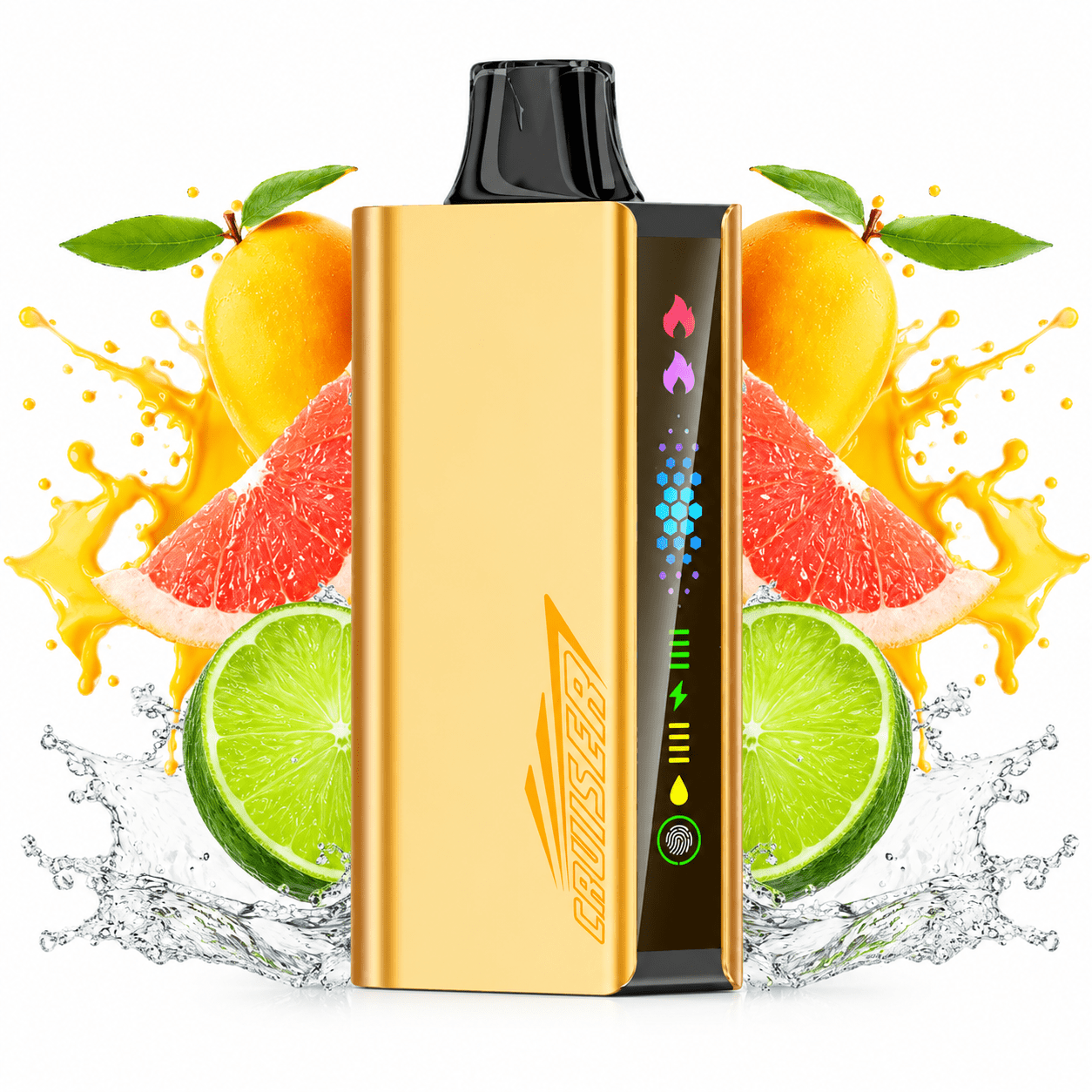
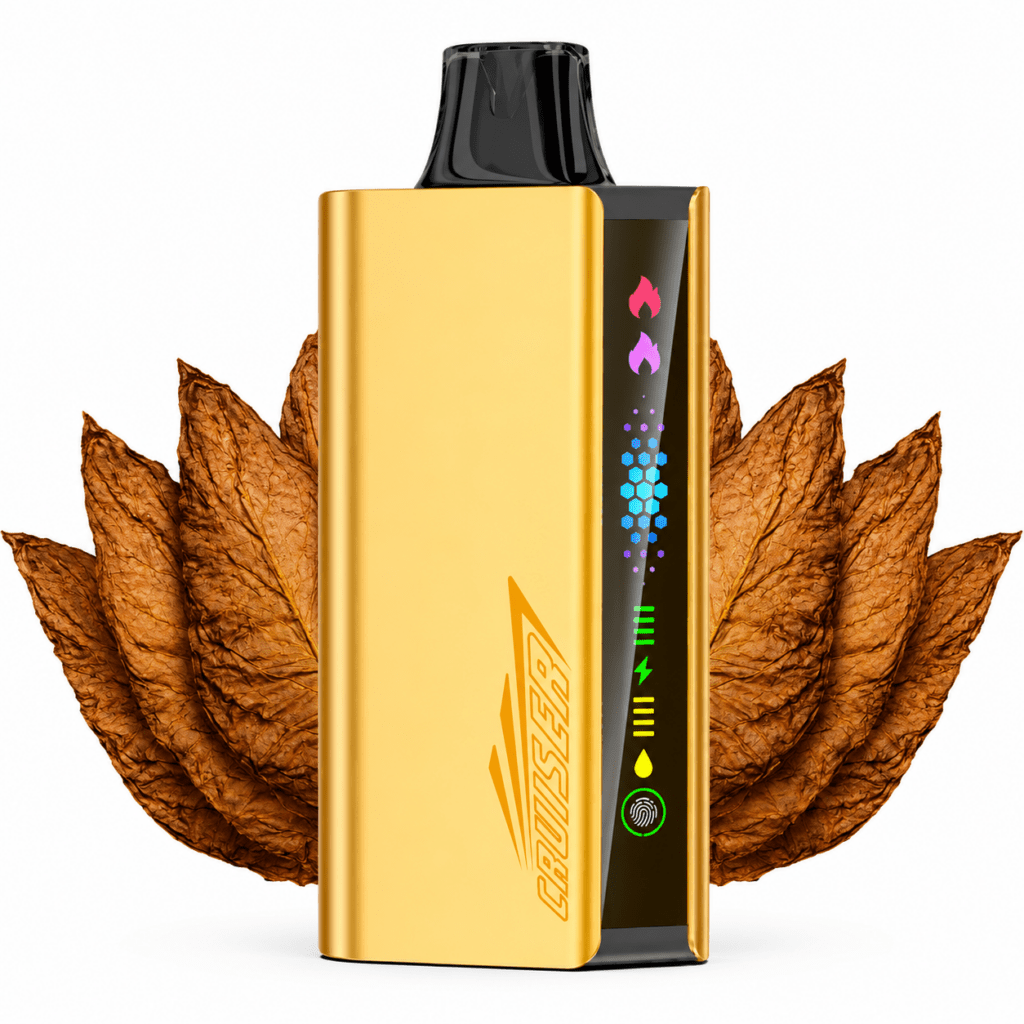
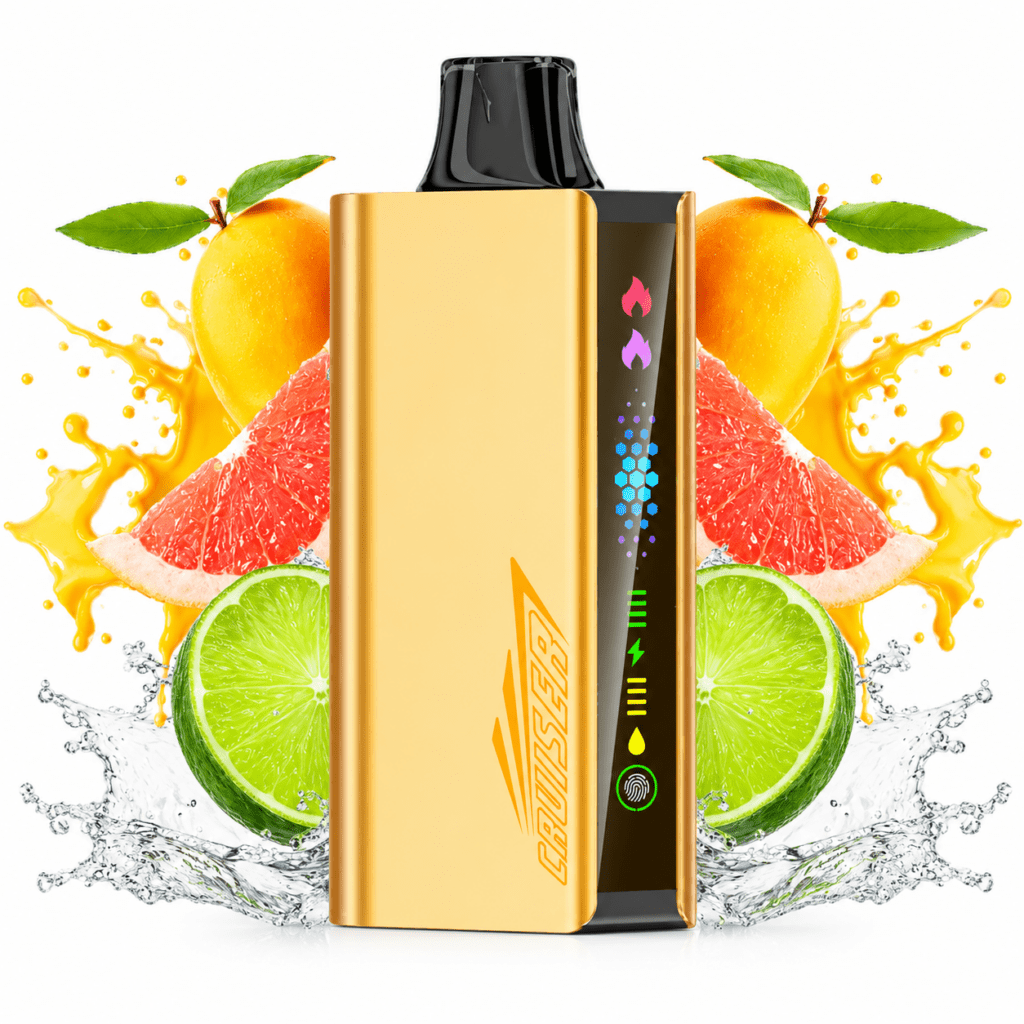
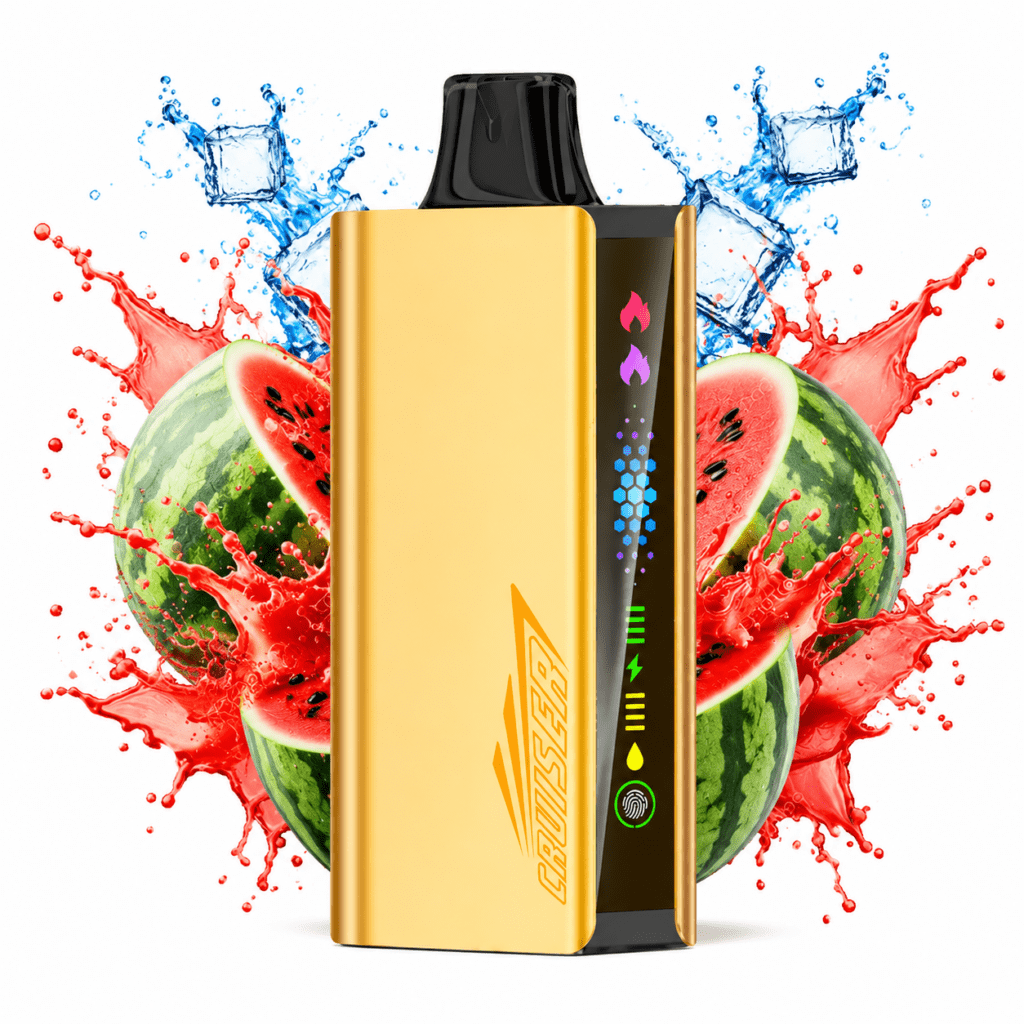
This article explores eight aspects of device specifications, using the JNR Cruiser 12000 as an example of the type of product information found in online descriptions.
1. Understanding the Main Components
Most electronic vaping devices contain a power source, a heating element and a liquid delivery system. The battery supplies electrical energy, while the heating element heats the liquid to create an aerosol.
The design can vary considerably between products. Some have rechargeable batteries, while others are described as disposable. Certain models also include electronic displays or adjustment controls.
When researching vape devices, it is important to distinguish between a component’s stated specification and a verified performance result. A feature appearing in a product description does not independently establish reliability, safety or regulatory compliance.
2. What Does a Puff-Count Estimate Mean?
The phrase how many puffs in a vape is commonly used in searches about device capacity. However, an advertised puff count is generally an estimate rather than a guarantee of how long a product will last.
Actual results may vary with puff duration, airflow, operating conditions and the device’s design. Testing methods can also differ between manufacturers, making direct comparisons difficult.
A 12000 puff vape label therefore should not be interpreted as a fixed measure of usage time. The number alone does not establish the product’s quality, safety or value, and it should not be used as a recommendation to consume more nicotine.
For technical evaluation, readers should look for clear explanations of how the figure was calculated and whether the manufacturer provides supporting documentation.
3. Interpreting Battery Capacity
Battery capacity is commonly expressed in milliamp-hours (mAh). This measurement describes electrical charge capacity under specified conditions, but it does not directly tell readers how long a device will operate.
For example, product information supplied for the JNR Cruiser 12000 lists a 3500mAh battery. That figure should be treated as a manufacturer-stated specification unless it can be independently verified.
Battery performance also depends on factors such as electrical demand, component efficiency, battery condition and operating temperature. A larger capacity figure alone does not prove that a device will deliver a particular number of puffs.
Battery safety is especially important for products containing lithium-based cells. Damaged, swollen, overheated or leaking batteries should not be used or placed in ordinary household rubbish.
4. Understanding E-Liquid Capacity
Liquid capacity describes the amount of liquid a product is stated to contain. It is different from battery capacity, puff count and nicotine concentration.
The supplied description of the JNR Cruiser 12000 lists a 25mL e-liquid capacity. This is a product claim, not independent confirmation of the actual contents or the product’s legal status in Australia.
Specifications should be checked against reliable documentation and the applicable regulatory requirements. Readers should not assume that a larger liquid volume automatically means better performance or reduced health risk.
5. Displays, Controls and Electronic Design
Some products are described as having animated screens, touch controls or other electronic features. These components may display information or change certain operating settings, depending on the product’s design.
A screen does not independently verify the amount of liquid remaining, battery health or the accuracy of an advertised puff count. Similarly, touch controls do not prove that a device has been tested for safety.
Descriptions of vape devices should clearly separate confirmed technical functions from broad claims about convenience or durability. A metal exterior, for example, does not eliminate risks associated with internal batteries, heating components or liquid leakage.
6. Product Documentation and Verification
Technical descriptions should identify the model clearly and provide consistent information about its components. When reviewing a listing, check whether the battery capacity, liquid volume, coil specification and other stated details refer to the same model and version.
The name JNR Cruiser 12000 may appear alongside different claims across online sources. Without reliable supporting records, those claims should not be treated as independently verified specifications.
This is also relevant when comparing vape supply information from different markets. Similar product names do not establish that the products are identical or that they are authorised for supply in Australia.
7. Electronic Waste and Battery Disposal
Disposable electronic products can create waste containing plastic, metal and electronic components. Lithium batteries require particular care because they can cause fires when crushed, punctured or handled incorrectly.
Do not put lithium batteries or battery-containing electronic products into household recycling bins unless the local service specifically accepts them. Follow local council instructions and use an appropriate collection service for accepted battery and electronic waste.
Australia’s Recycling Near You provides information to help people find recycling options. Availability varies by location and by the type of item accepted, so check the relevant collection instructions before taking a product to a facility.
8. Australian Regulations and Public Health
Australia has strict rules governing the importation, supply and advertising of vaping products. A product appearing on an overseas website does not establish that it may lawfully be supplied to Australian consumers.
The Therapeutic Goods Administration’s vaping hub provides information about the Australian regulatory framework. The Australian Government’s vaping information also explains health risks and access requirements.
Businesses preparing website content should assess the applicable advertising restrictions rather than assuming that a disclaimer makes promotional material compliant.
Conclusion
Understanding vape devices requires careful interpretation of specifications such as battery capacity, liquid volume and advertised puff counts. These figures describe different aspects of a product and should not be treated as guarantees of performance or safety.
Clear documentation, appropriate battery disposal and current Australian government guidance provide a more reliable basis for evaluating technical claims. Neither a high puff-count figure nor additional electronic features establish that a product is safe or legally available in Australia.
Leave a Reply