Health Disclaimer: Vaping is not risk-free. Nicotine is addictive, and vaping products may expose users to substances that can affect health. This article provides general device information and Australian regulatory context. It does not encourage vaping or nicotine use.
Introduction
Electronic cigarettes come in different formats, and understanding their construction is important when reading product specifications. A pod ecig generally refers to a vaping device that uses a pod or cartridge to hold the vaping liquid and connect it to the heating element. Some systems use replaceable pods, while others have integrated liquid chambers or different cartridge arrangements.
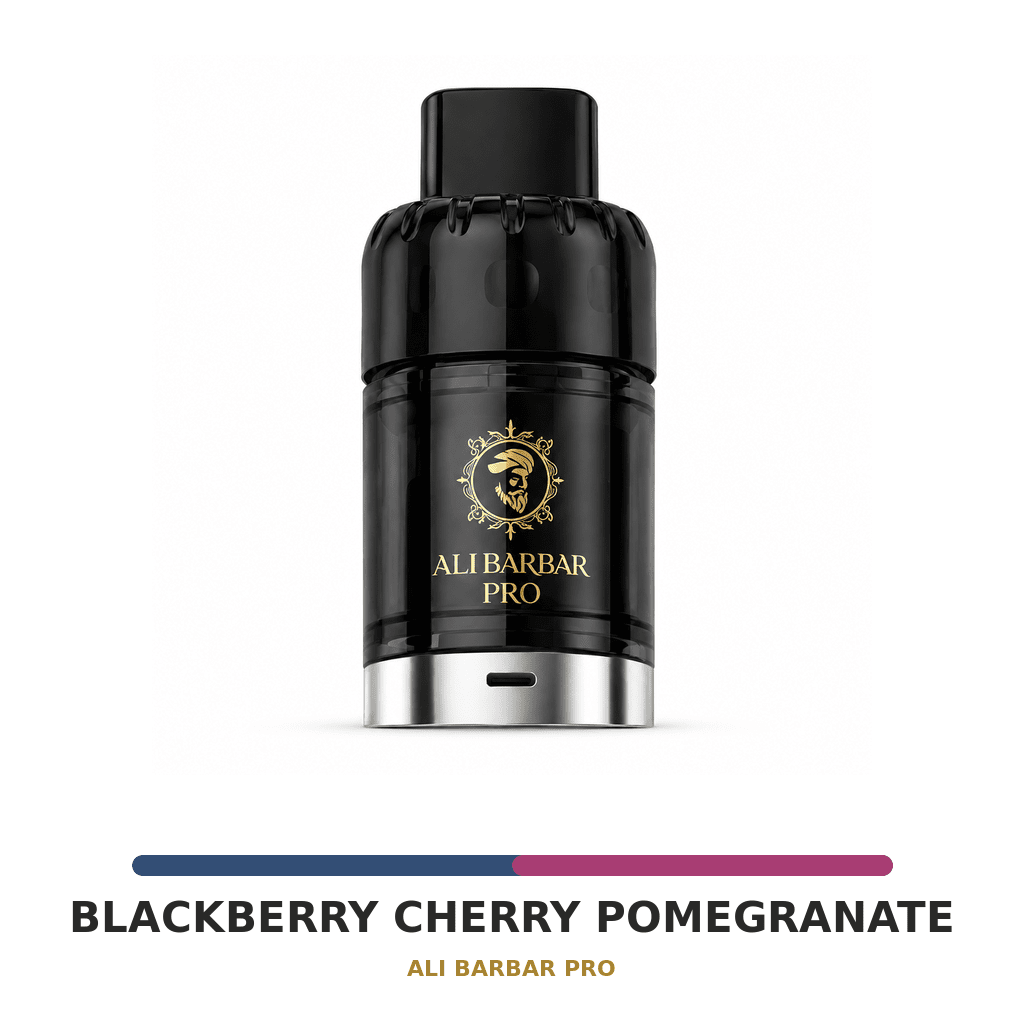
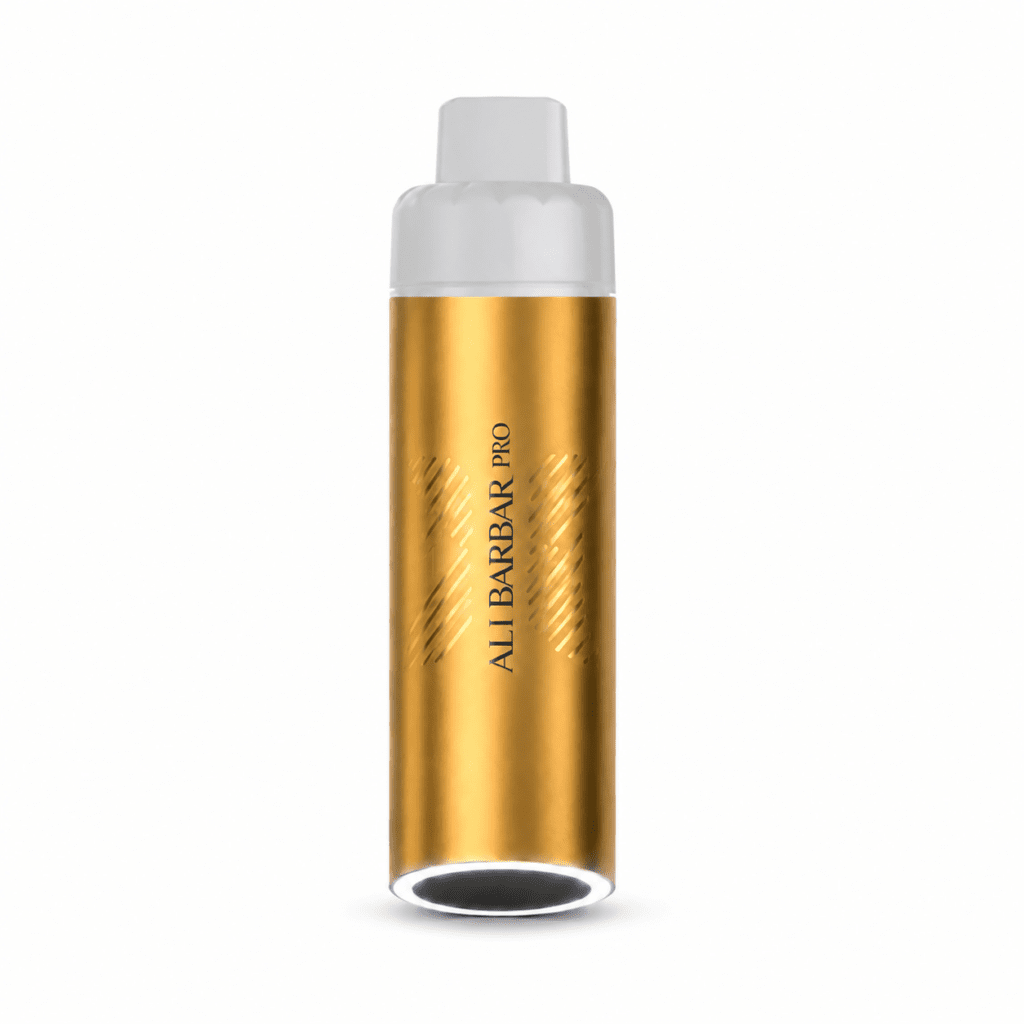
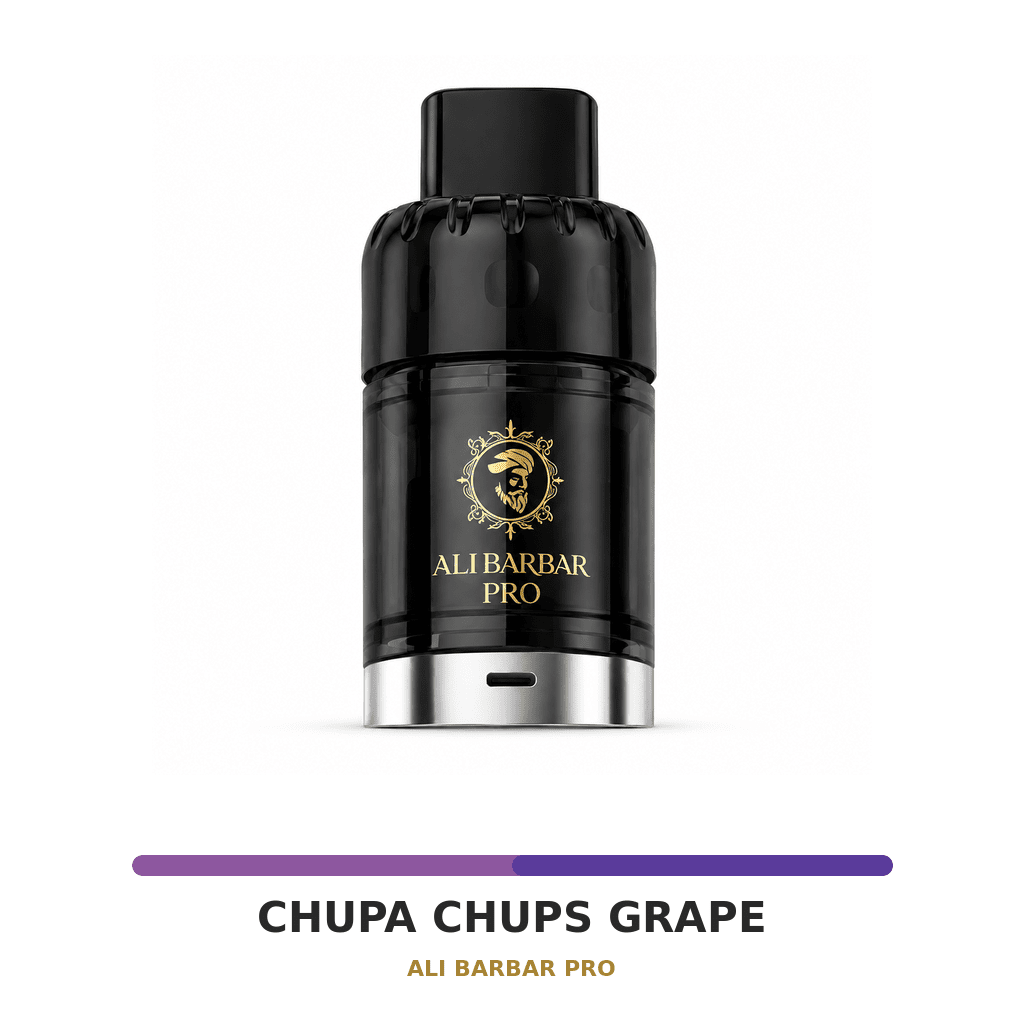
Product names can make these formats confusing. For example, Alibarbar Pro Exchange 8000 is a model name that may appear in online product descriptions, but the name alone does not confirm its internal construction, refill method or regulatory status.
This article explains four technical details that help readers understand device terminology, including battery design, pod construction, nicotine labelling and Australian regulations.
1. Understanding Pod and Cartridge Construction
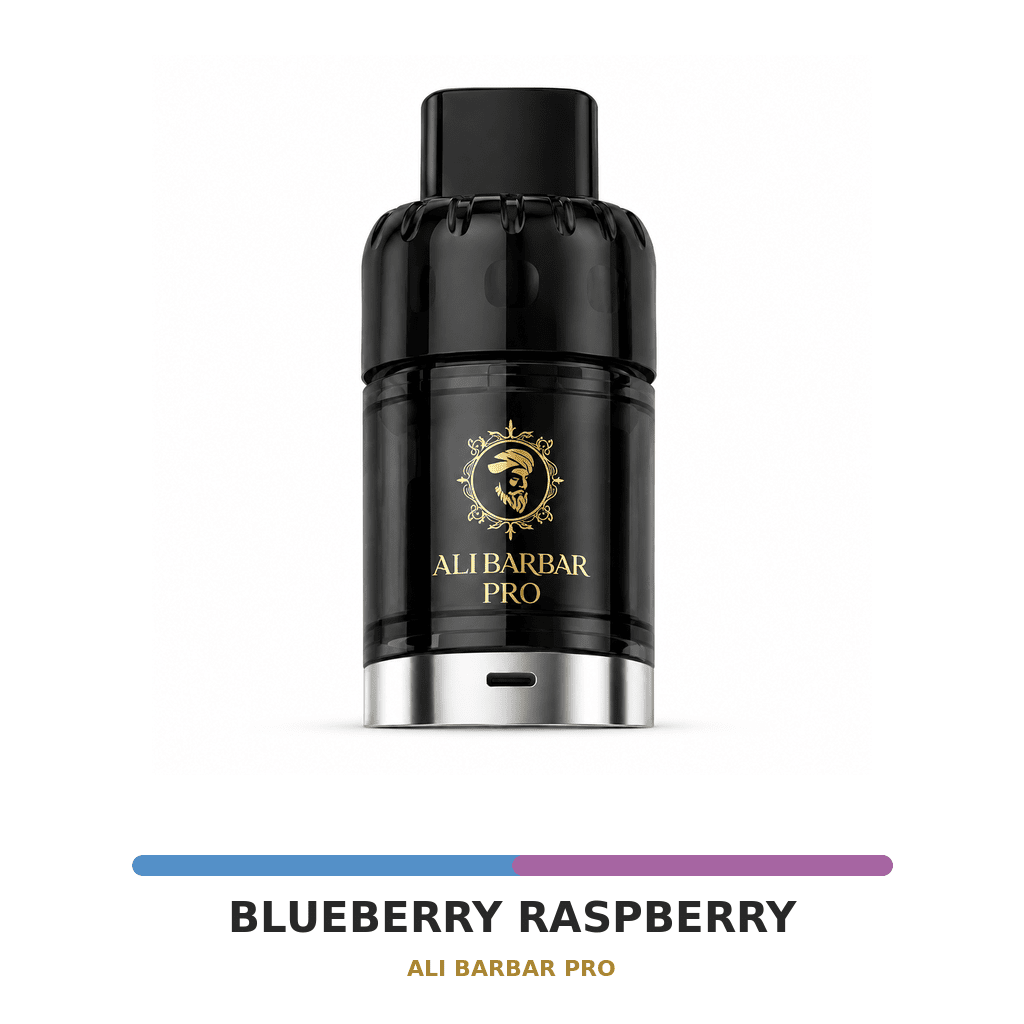
The pod is one of the main components in a pod-based vaping system. Depending on the design, it may contain the liquid reservoir, heating coil and mouthpiece, or some of these components may be separate.
There are two broad arrangements:
- Closed-pod systems: Use prefilled or manufacturer-supplied cartridges that are replaced when depleted.
- Open-pod systems: Use a refillable reservoir designed to be filled according to the manufacturer’s instructions.
These categories are not interchangeable. A device should not be described as refillable simply because its cartridge can be removed. A replaceable cartridge and a refillable pod have different functions.
When identifying a pod ecig, check the manufacturer’s documentation for the cartridge type, replacement requirements and whether the liquid reservoir is designed to be refilled. Avoid relying on appearance alone.
2. Battery and Charging Information
Battery specifications are another important part of electronic device documentation. Product information may list battery capacity in milliamp-hours (mAh), charging connections, charging requirements and whether the battery is integrated or removable.
For a model such as Alibarbar Pro Exchange 8000, the exact battery capacity and charging details should be checked against reliable documentation for the specific version. A model name or number does not independently verify battery performance or charging compatibility.
Battery information should also be considered from a safety perspective. Damaged batteries, unsuitable charging equipment and exposure to excessive heat can create risks. Users should follow the manufacturer’s handling instructions and avoid using a device with visible battery damage, unusual heating or a damaged charging port.
The same principle applies when comparing reusable vapes australia search results: the word “reusable” does not tell you whether the battery, pod or liquid chamber is designed for replacement. Each component needs to be identified separately.
3. Nicotine Labelling and Product Information
Nicotine concentration is commonly expressed in milligrams per millilitre (mg/mL) or as a percentage. These measurements describe concentration, not the total amount of nicotine a person absorbs.
The phrase low nicotine vape can be misleading if it is interpreted as meaning harmless or risk-free. A lower stated concentration does not eliminate nicotine dependence or other potential health effects. Actual exposure can also depend on the liquid volume, device characteristics and patterns of use.
When reviewing a product label, check whether the nicotine concentration is clearly stated, whether the unit is mg/mL or a percentage, and whether the information corresponds to the exact product version. Do not assume that two products with similar names have the same formulation.
A low nicotine vape is still a vaping product subject to Australian regulatory requirements. Nicotine content, product classification and the purpose for which a product is supplied all matter when determining its legal status.
4. Reusable Device Terminology and Product Identification
The term reusable vapes australia appears in discussions about devices that have rechargeable batteries or replaceable components. However, rechargeable does not necessarily mean refillable, and replaceable does not necessarily mean reusable in every respect.
For accurate product documentation, separate these characteristics:
| Term | What it describes |
|---|---|
| Rechargeable | The battery can be charged again |
| Refillable | The liquid reservoir is designed to be filled again |
| Replaceable pod | The cartridge can be removed and replaced |
| Replaceable coil | The heating element can be changed separately |
| Integrated system | Several components are built into one assembly |
These distinctions are useful when checking the specifications of Alibarbar Pro Exchange 8000. Before describing it as a refillable or reusable device, verify the manufacturer’s documentation for its cartridge and battery design.
Australian Regulations: What Readers Should Know
Australia has introduced strict national controls covering the importation, supply, possession in commercial settings and advertising of vaping goods. The rules apply to vaping devices, accessories and vaping substances.
The TGA’s information for retailers explains that vapes can only be supplied through pharmacies, subject to the applicable requirements. Non-pharmacy retailers, including tobacconists, vape shops and convenience stores, cannot legally supply vapes.
The TGA also explains that advertising and promotion of vaping goods is prohibited unless specifically authorised. This restriction applies across public-facing media, including online content.
For readers researching vape supplies australia, it is important to understand that product listings, overseas availability and commercial supply are not proof that a product can lawfully be imported or sold locally. The TGA’s vaping hub provides further information about the current framework.
Frequently Asked Questions
What is a pod-based electronic cigarette?
A pod-based electronic cigarette uses a pod or cartridge as part of its liquid storage and delivery system. The exact construction differs between manufacturers and models.
Is a rechargeable device automatically refillable?
No. Rechargeable describes the battery, while refillable describes the liquid reservoir. A device may have one characteristic without the other.
Does a lower nicotine concentration mean a product is safe?
No. Nicotine is addictive, and vaping is not risk-free. Product concentration should not be interpreted as a guarantee of safety.
Can every online vape listing be supplied in Australia?
No. Australian supply and advertising laws impose strict requirements. A listing on an overseas website does not establish that a product can legally be supplied in Australia.
Conclusion
Understanding electronic cigarette terminology requires more than reading a model name. Pod construction, battery design, cartridge replacement and nicotine labelling are separate technical details that should be checked against reliable documentation.
When researching pod ecig devices or identifying Alibarbar Pro Exchange 8000, distinguish verified specifications from assumptions based on product names. Australian rules also apply independently of where a product is advertised or manufactured. Always consult current TGA guidance when assessing the regulatory status of vaping goods.