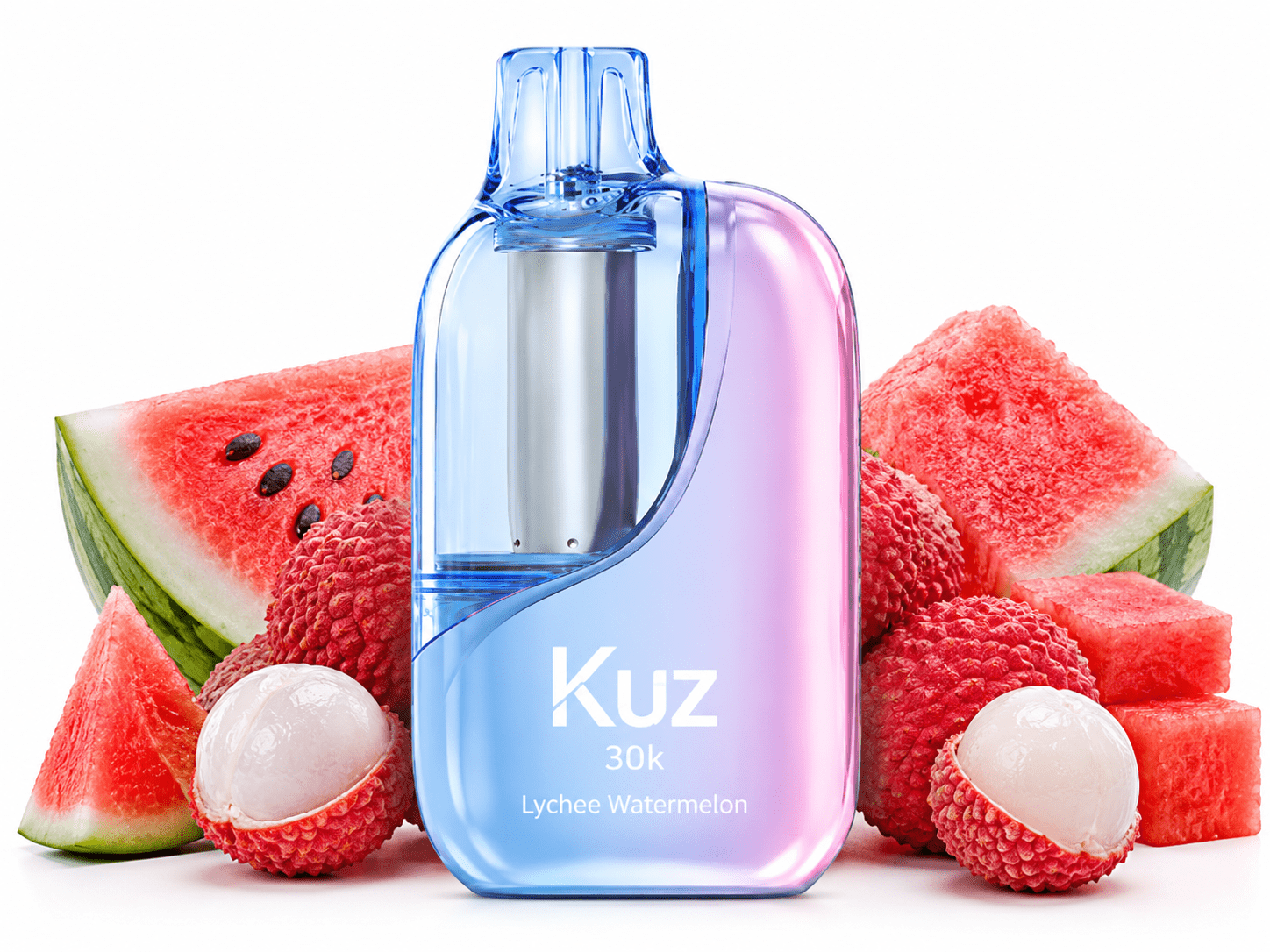
The KUZ Pearl 30000 is described in its product listing as a rechargeable disposable vaping device featuring a 650mAh battery, a 25mL e-liquid capacity, USB-C charging and a 1.0Ω mesh coil. Its advertised puff count and combined flavour concept raise several questions about how vaping products are described, what their specifications actually mean, and how Australian regulations apply.
This guide examines the device from an informational perspective. Manufacturer claims should not be mistaken for independently verified results, and a high puff count or variety of flavour names does not establish that a product is safe.
Table of Contents
1. What Does the Advertised Puff Count Mean?
The number 30,000 refers to the manufacturer’s advertised maximum puff count. It is not a universal measure of product quality, and the actual number of puffs may differ according to draw length, frequency of use and device performance.
The KUZ Pearl 30000 listing also states a 25mL e-liquid capacity. Liquid volume and puff count are different measurements: one describes the amount of liquid held in the device, while the other is an estimate of potential use. Neither measurement independently confirms the accuracy of the product’s claims.
2. Understanding the Battery and Mesh Coil
The supplied specifications list a 650mAh rechargeable battery and a 1.0Ω mesh coil. Battery capacity describes the amount of electrical charge a battery can hold under specified conditions. Coil resistance is an electrical property that affects how a heating element operates.
The KUZ Pearl 30000 also lists USB-C charging and an LED battery indicator. These are hardware features, not proof of electrical safety, consistent vapour composition or verified battery protection. Independent testing and reliable compliance documentation would be needed to substantiate such claims.
Rechargeable lithium batteries can pose risks if damaged, poorly manufactured or charged incorrectly. A product description alone cannot establish the safety of the complete device.
3. What Do the Flavour Names Tell Us?
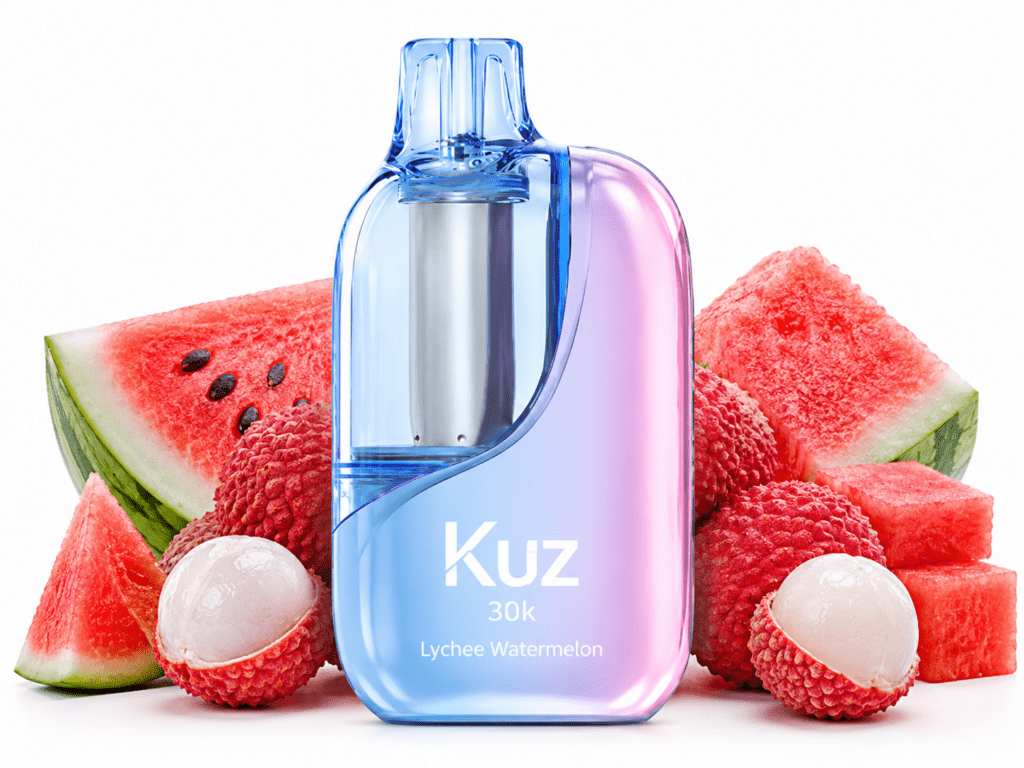
The product listing describes an all-in-one flavour concept and names 12 profiles:
- Watermelon Breeze
- Watermelon Kiwi
- Lychee Watermelon
- Georgia Peach
- Grape Ice
- Strawberry Mango
- Strawberry Kiwi Blast
- Mixed Berry
- Strawberry Banana Smoothie
- Rainbow Twist
- Dynamic Mint
- Blue Razzle Gush
These names suggest fruit, mixed-fruit, candy-style and mint-inspired profiles. However, names are not ingredient declarations. They cannot confirm the precise chemicals used, their concentrations or the effects of inhaling them.
When researching kuz vape flavours, it is important to distinguish a marketing description from a verified formulation. Similar flavour names may also refer to different compositions across manufacturers and markets.
The Australian Government’s official vaping health information explains that vaping aerosols can contain harmful substances. A pleasant-sounding flavour name should not be interpreted as evidence of safety.
4. How Much Nicotine Is in a Vape?
The question how much nicotine in a vape cannot be answered accurately without reliable information about the specific product’s formulation and nicotine concentration.
Nicotine concentration is commonly expressed in milligrams per millilitre (mg/mL) or as a percentage. The supplied KUZ Pearl 30000 description does not provide a verified nicotine concentration, so it would be misleading to assign a nicotine strength based on the device’s size, battery or advertised puff count.
Nicotine is addictive, and product descriptions may not always provide enough information to establish what a device contains. For Australian readers, the TGA’s guidance on vaping regulation is a more reliable reference for understanding the regulatory framework.
5. What Can Product Specifications Actually Confirm?
Specifications can help readers identify the manufacturer’s stated design, but they do not answer every question about quality or health effects.
For example, the KUZ Pearl 30000 listing provides information about battery capacity, liquid volume, coil resistance and charging type. It does not, in the supplied description, provide independent laboratory results confirming the liquid’s ingredients, nicotine concentration or emissions.
This distinction matters when comparing listings online. A detailed specification sheet is useful for identifying claims, but independent testing and credible documentation are needed to verify those claims.
6. Australian Rules Matter More Than Overseas Listings
A product appearing on an overseas website does not automatically mean it can legally be imported, supplied or advertised in Australia.
Australian vaping laws place strict controls on vaping products, including restrictions relating to importation, supply and advertising. Requirements depend on the product category and circumstances, so readers should check current official guidance rather than relying on a seller’s description.
The phrase vape supply may appear on commercial websites, but it does not demonstrate that a supplier is authorised to distribute a particular product in Australia. Likewise, a listing from a vape store is not proof of regulatory approval.
The Australian Government’s TGA vaping hub provides official information about the rules and requirements applying to vaping products.
7. Why Nicotine and Health Information Should Be Checked Separately
Product design, flavour descriptions and nicotine content are separate issues. Knowing a device’s advertised puff count does not reveal its nicotine concentration, while knowing a flavour name does not establish the safety of the ingredients.
Anyone researching the KUZ Pearl 30000 should treat the supplied specifications as manufacturer claims unless independently verified. This approach helps avoid confusing a product’s advertised features with evidence about its contents or health effects.
Vaping is not risk-free, and nicotine can cause dependence. People who want support to stop vaping can consult a healthcare professional or access the Australian Government’s Give Up For Good resources.
8. A More Careful Way to Read Online Product Information
When reviewing a vaping product page, check whether it clearly identifies the manufacturer, provides reliable ingredient and nicotine information, and supports its technical claims with credible evidence.
Search terms such as kuz vape flavours, vape store and vape supply can lead to commercial descriptions, but search results alone do not confirm a product’s legal status or safety. For questions about how much nicotine in a vape, seek reliable product information and authoritative health guidance instead of estimating from the device’s appearance or size.
Conclusion
The KUZ Pearl 30000 listing describes a rechargeable device with a large stated liquid capacity, a mesh coil and a range of named flavour profiles. These details help explain how the product is presented, but they do not independently verify its puff count, ingredients, nicotine content or safety.
For Australian readers, the key is to separate manufacturer claims from verified evidence and current regulations. Official health and regulatory sources provide a stronger basis for understanding vaping risks than marketing language alone.