1. Introduction
A reusable vape is an electronic device designed for repeated use rather than disposal of the entire device after a single product cycle. Depending on its design, it may use a rechargeable battery, a replaceable pod or a refillable reservoir.
Understanding these components helps explain how different devices operate and why their maintenance, waste management and legal status matter. This article covers common device designs, pod terminology, the Alibarbar Pro Exchange 8000 product name, and Australian regulatory considerations.
2. What Is a Reusable Vape?
Reusable vaping devices generally contain a battery and electronic components that power a heating element. The heating element warms a liquid to create an aerosol that the user inhales.
The term describes a broad category rather than one specific design. Some devices have replaceable cartridges, while others use refillable tanks. Battery capacity, charging methods, liquid compatibility and coil construction vary by model.
Reusable does not mean risk-free. Devices may contain nicotine, and their aerosols can contain substances harmful to health. A rechargeable battery or replaceable component changes how a product is used and discarded, not the health risks associated with vaping.
3. Understanding Vapes With Pods
Vapes with pods use a cartridge, commonly called a pod, that connects to the main device. Depending on the model, the pod may be prefilled, replaceable or designed to be refilled.
A pod-based design can separate the liquid container from the battery section. However, pods are not universally interchangeable. Connection types, electrical specifications, coil resistance and liquid compatibility can differ between product families.
Before handling any device, its official instructions should be consulted. Using incompatible components, modifying a battery or charging a damaged device can create safety risks.
4. Understanding the Alibarbar Pro Exchange 8000 Name
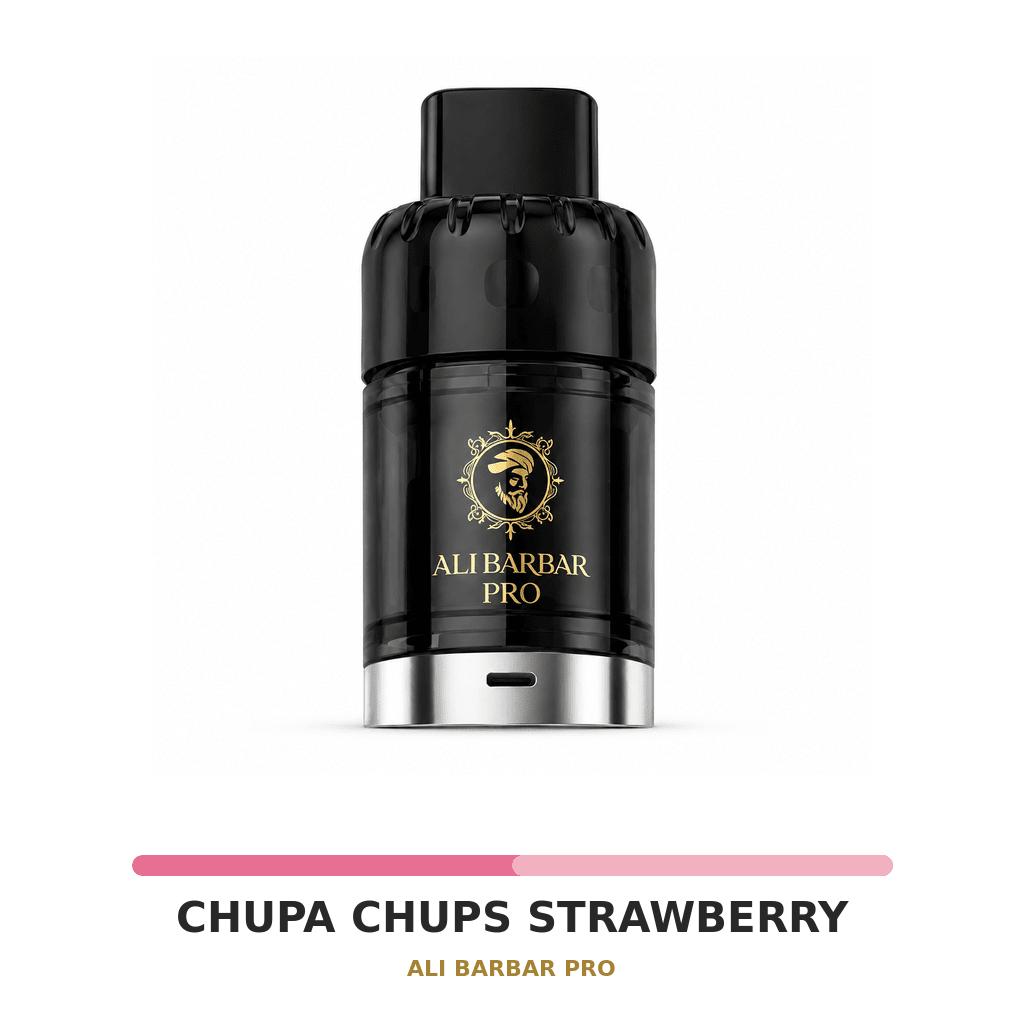
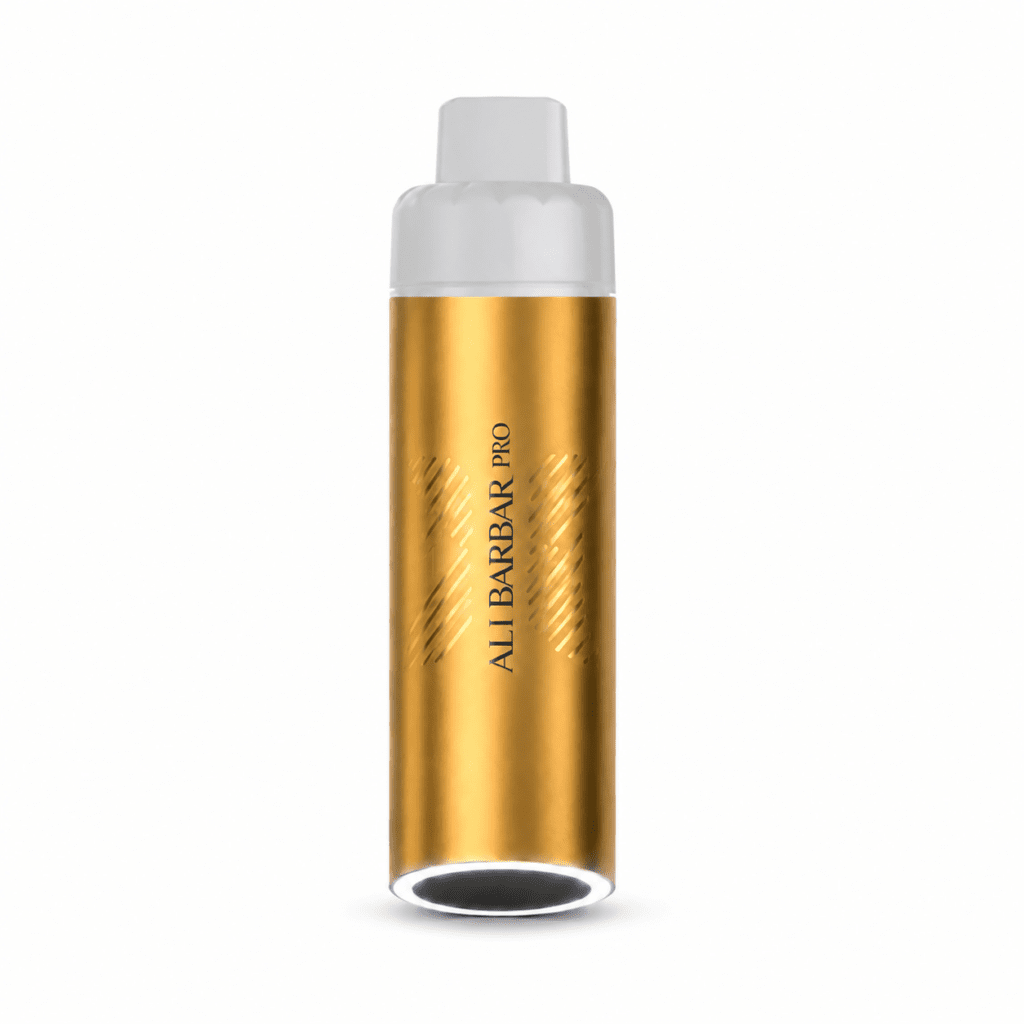
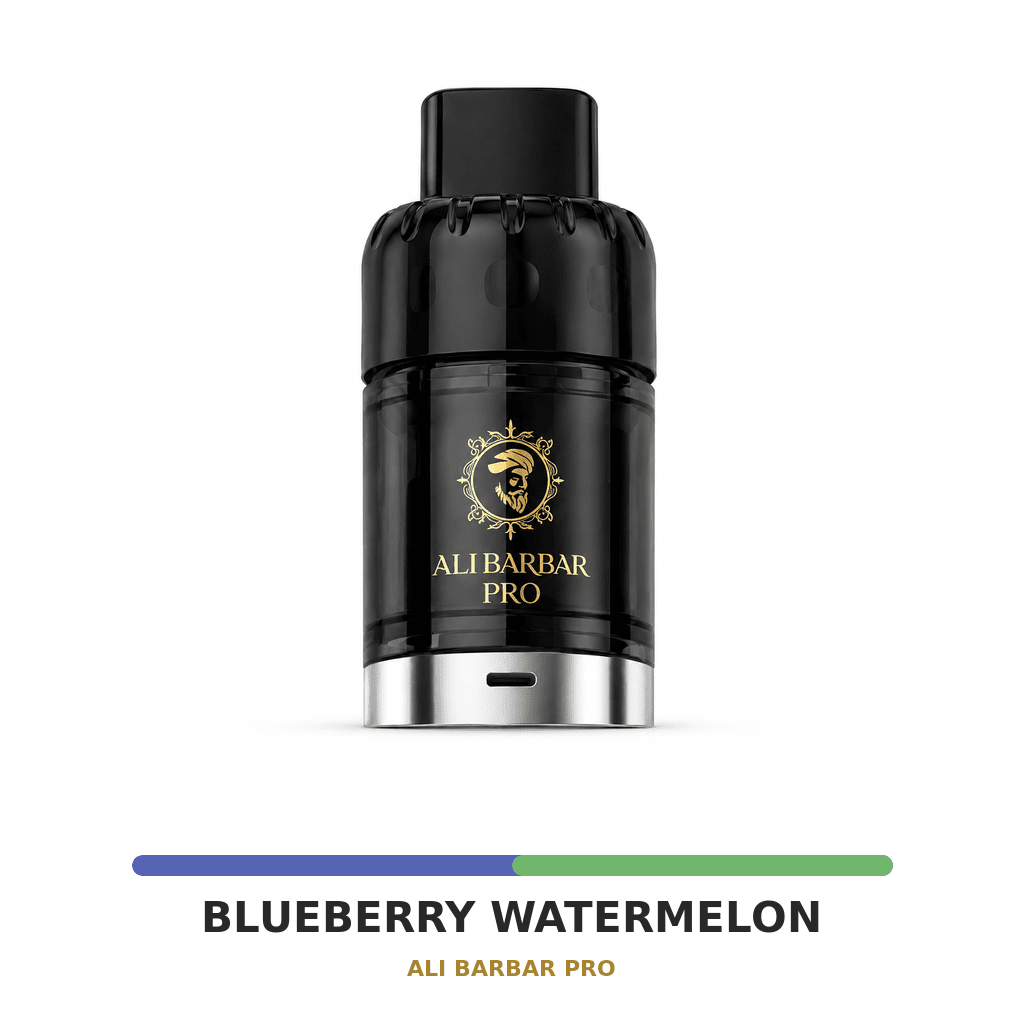
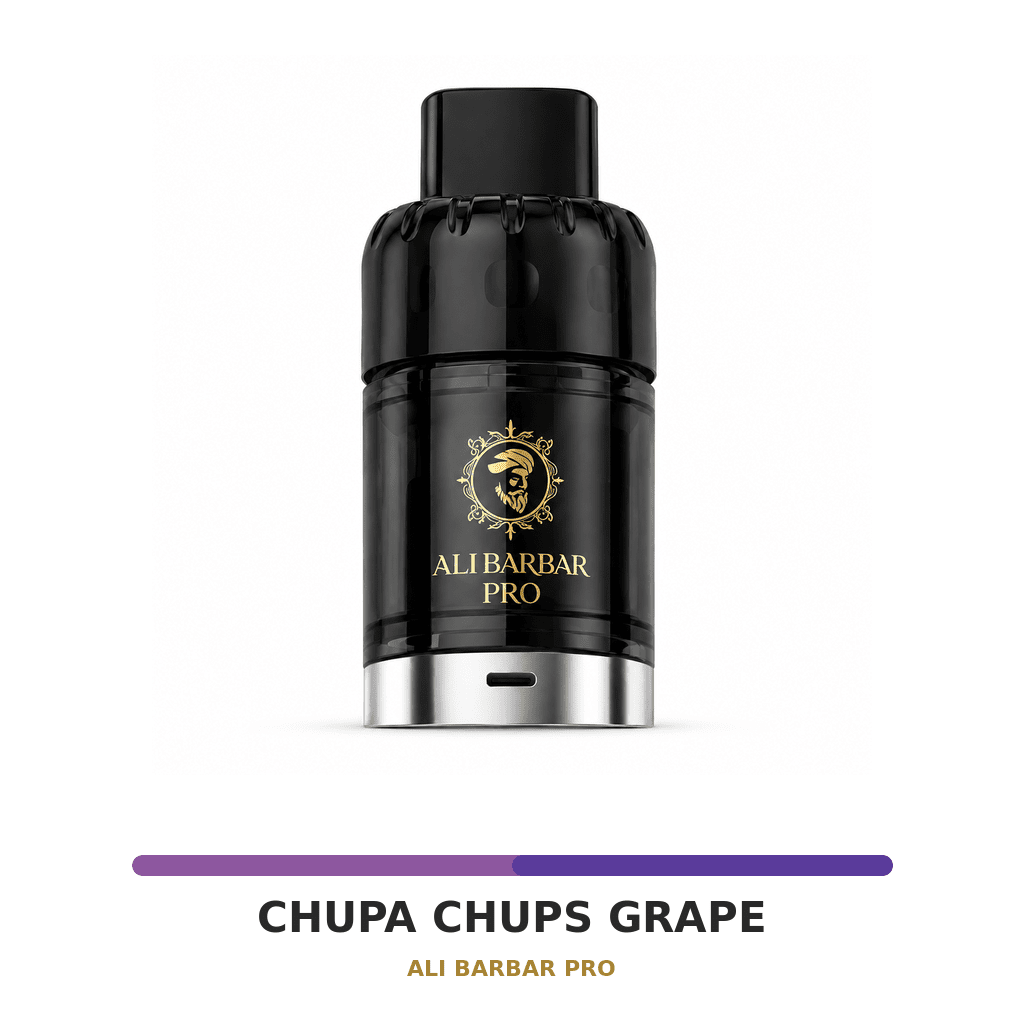
The Alibarbar Pro Exchange 8000 is a product name associated with a pod-and-device format. When researching a specific model, it is important to establish whether a listing refers to the pod, the battery device or a complete system.
The name alone does not confirm compatibility with other products. A pod and its intended battery base may be designed as a matched system, so assumptions based on similar appearances can be misleading.
Technical details should be checked against documentation for the exact model and market. Do not rely exclusively on seller descriptions, images or puff-count claims to determine device specifications or expected lifespan.
5. Replaceable Pods and Refillable Systems
Replaceable-pod and refillable systems are related but not identical categories.
A replaceable pod may contain liquid and a built-in heating element, requiring the whole pod to be replaced when depleted. A refillable system may allow liquid to be added to a reservoir, although the coil or pod may still need periodic replacement.
These designs also create different waste streams. Used pods may contain residual liquid and electronic components, while batteries require appropriate handling at the end of their service life. Neither design eliminates environmental impacts.
6. Vape Supplies Australia: Regulatory Context
The phrase vape supplies australia may appear in searches for devices, cartridges, batteries and accessories. However, a product being advertised online does not establish that it can legally be supplied to consumers in Australia.
Australian vaping laws distinguish between therapeutic and non-therapeutic products, and the applicable requirements depend on the product and circumstances. The Therapeutic Goods Administration provides current information through its Vaping Hub.
The TGA also explains restrictions on vape advertising and promotion. Readers should consult official guidance rather than assume that an overseas website or product listing reflects Australian law.
7. Device Safety and Maintenance
Electronic vaping devices combine a battery, electrical components and, in some models, a liquid reservoir. General safety considerations include:
- Follow the manufacturer’s charging and handling instructions.
- Do not use batteries or devices that are swollen, leaking, visibly damaged or unusually hot.
- Keep electronic components away from water and excessive heat.
- Avoid unauthorised modifications or incompatible charging equipment.
- Store devices securely and away from children and pets.
These precautions do not make vaping safe. They address certain equipment hazards only. People experiencing a battery fire or other immediate danger should move away and contact emergency services when necessary.
8. Understanding the Phrase “Best Refillable Pod Vape Australia”
Searches for best refillable pod vape australia often reflect an attempt to compare device categories. There is no single specification that establishes a device as universally best, and an online ranking may reflect commercial interests rather than independent testing.
From an informational perspective, relevant technical questions include battery safety, compatibility information, clear manufacturer documentation, repairability and end-of-life disposal. Legal compliance in Australia is a separate requirement and cannot be inferred from product reviews or popularity.
Most importantly, refillable construction should not be interpreted as proof of lower health risks. People who do not smoke should not start vaping, and people seeking help to stop smoking or vaping can consult qualified health professionals or Australia’s official Quit support service.
Conclusion
Reusable vaping devices vary in battery design, pod construction and maintenance requirements. Understanding the difference between replaceable and refillable systems can clarify technical descriptions, but it does not establish that any device is safe or legally available in Australia.
For model-specific information, consult reliable documentation. For questions about supply, advertising and therapeutic vaping products, use official Australian regulatory sources. Responsible handling and disposal are important, but they do not remove the health risks associated with vaping.
Leave a Reply